“We take our responsibility to animals and their owners very seriously. EcoTraction plays an important role toward ensuring the well-being of both them and the environment. What EcoTraction achieves… is very much appreciated by our staff, visitors, and area veterinarians.” – Toronto Humane Society



ecoTraction
ecoTraction Products
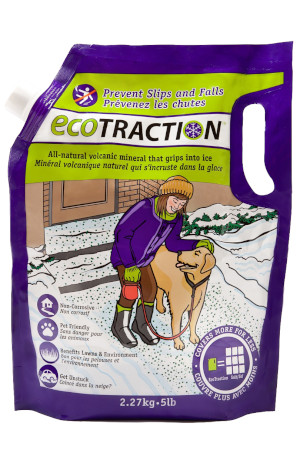
2.27kg/5lb bag with handle and easy-pour spout
Light weight, easy to carry
Also great to keep in vehicle for emergency traction
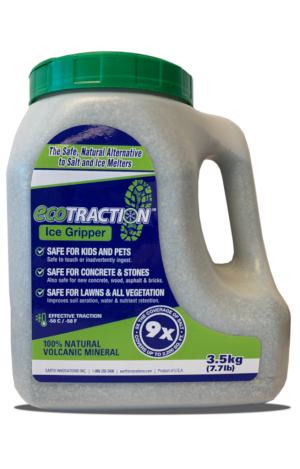
3.5kg/7.7lb shaker jug (available in 4.5kg/10lb in some markets)
Convenient and quick application
Can be easily refilled by purchasing ecoTraction bag
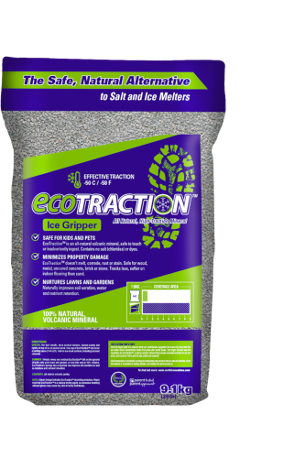
9.1kg/20lb bag
Economical best value format
SAFE FOR YOU, YOUR FAMILY AND YOUR PROPERTY
ecoTraction is the leading green alternative to salt and ice melters. Unlike salt which takes time to melt, ecoTraction provides instant traction on slippery winter surfaces and is the safest product of its category for new and old concrete, asphalt, wood, metal, vegetation, the environment and around children & pets. This cost-effective product is made of an all-natural volcanic mineral, contains no chlorides, no added chemicals, and no dyes.
EcoTraction is simply the easiest, safest and most cost-effective ice management solution on the market.
100% Safe & Natural
Get instant sandpaper-like grip
Good for lawns & gardens
Won’t damage walkways
GET INSTANT TRACTION ON ICE AND SNOW
ecoTraction™ is the ultimate winter traction solution. Unlike salt, ecoTraction doesn’t have to melt ice and snow before it starts providing instant traction. Simply sprinkle a little ecoTraction on ice and snow for instant grip.
CAN LAST ALL WINTER LONG
The granules eventually breakdown under foot or vehicle traffic but in situations with limited foot traffic, ecoTraction can keep working all winter long! When snow and ice disappear completely, you can collect any leftover ecoTraction granules and use it again next winter or simply sweep it onto the lawn and flowerbeds.
When snow and ice disappear completely, you can collect ecoTraction and use it again, or simply sweep it onto lawns and flowerbeds.
GOOD FOR LAWNS, GARDENS & THE ENVIRONMENT
ecoTraction is non-toxic to the environment and instead, has many positive applications including use in water purifiers and as a soil amendment product.
While salt contaminates and harms the soil, lawns and flowerbeds, ecoTraction benefits them thanks to its microscopic porous properties by retaining water, keeping soils humid, aerating the soil, and slowly releasing captured nutrients and minerals such as potassium, calcium and magnesium to help plants thrive.
WON’T DAMAGE WALKWAYS & CARPETS
Unlike salt, ecoTraction will never corrode anything, and won’t damage your concrete, stones, wooden patio, metal or carpet.

A plant growing in ecoTraction!
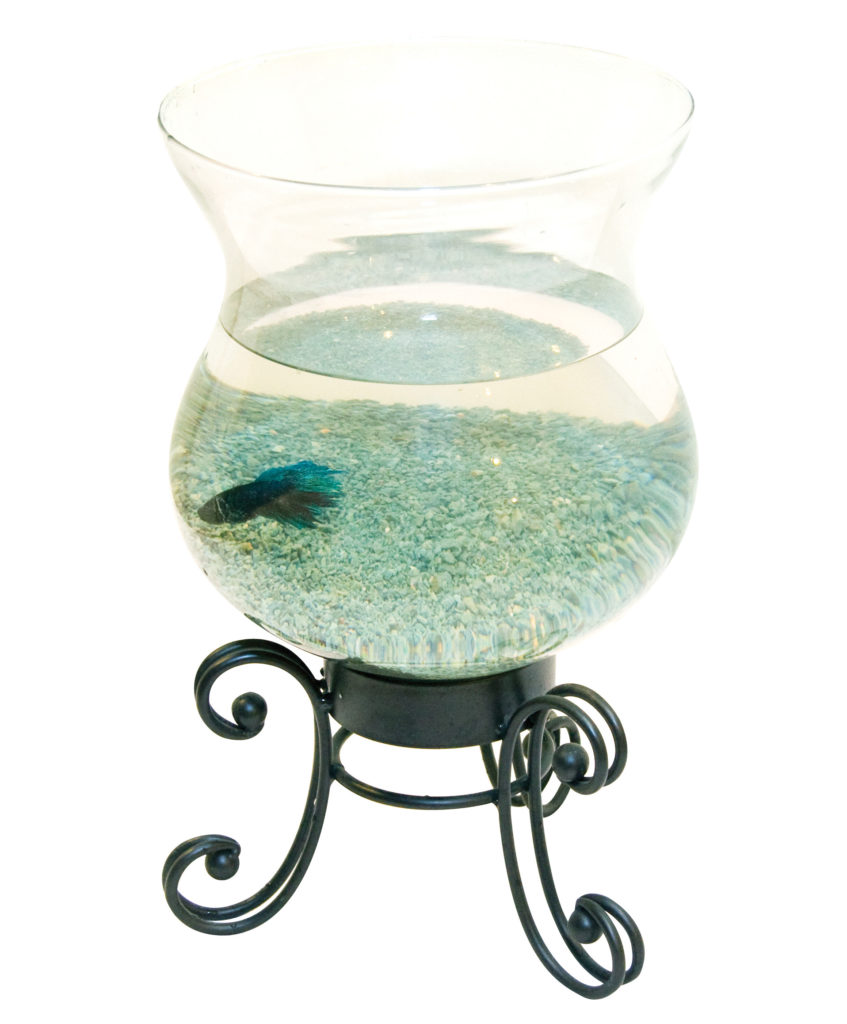
A fish swimming in a tank with ecoTraction!
“Since 2007, Saginaw State University has been using EcoTraction with satisfactory results. I cannot imagine starting our winter season without EcoTraction… It provides excellent traction on our walkways and near building entrances without harming the concrete, pavers or landscaping.” – Saginaw Valley State University, Michigan USA
WAY BETTER THAN SALT!
We use 40 million tons of salt annually on roads in North America. Corrosive sodium chloride (salt) is destroying our bridges and roadbeds, not to mention cars.
In addition to sodium chloride, road salt contains trace heavy metals and anti-caking agents like potassium ferrocyanide. These toxins don’t break down—they persist in our waterways, our groundwater, and destroy plants and soil.
Help reduce the load on our infrastructure and our environment…with ecoTraction!
The Top Six Problems with Deicing Salts & Ice Melters
A study by the National Research Council Transportation Research Board estimates that every ton of road salt can cause between $500 and $2,000 in downstream damages to infrastructure, vehicles, property and the environment. Yet we continue to dump nearly 40 million tons of salt and ice melters annually on our sidewalks and roads in Canada and the United States. Some of the major problems caused by road salt and chemical ice melters are as follows:
Contaminates Groundwater
When salt & ice melters dissolve into ice and snow, they usually end up draining their dangerous toxins into soils, ponds and lakes, and city sewer systems. The Proceedings of the National Academy of Sciences have concluded that road salt contaminates drinking water supplies,
“…if salinity were to continue to increase at its present rate… many surface waters in the northeastern United States would not be potable for human consumption and would become toxic to freshwater life within the next century.”
-Taken from an abstract of “Increased salinization of fresh water in the northeastern United States”
Destroys Infrastructure & Property
Salt can damage concrete and corrode metals. The National Association of Corrosion Engineers (NACE) states that,
“A number of factors contribute to bridge corrosion. One of the most common is the use of deicing salts on roads and bridges… The salts cause corrosion of the steel reinforcing bars and other steel components supporting the bridge. This form of corrosion is the main cause of concrete bridge deterioration.”
Ineffective In Very Cold Conditions
As per the Salt Institute, road salt stops melting ice or snow effectively below 15°F / -9°C.
Kills Lawns and Plant Life
In spring, homeowners are usually disappointed to find that the salt & ice melters they used in the winter have killed a section of their lawn and landscaping.
Harms Pets and Children
Ice melters can be harmful for pets and kids. Pets’ paws can be harmed and they can ingest large concentrations of these toxins when they lick their paws. Children can eat the chemically-dyed pellets that can sometimes look like candy.
Provides Inconsistent Traction
Ice melters are not traction agents. They can actually reduce traction by leaving behind a liquid brine solution that refreezes, making roads and sidewalks even more slippery than before.
When salt & ice melters dissolve into ice and snow, they usually end up draining their dangerous toxins into soils, ponds and lakes, and city sewer systems. The Proceedings of the National Academy of Sciences have concluded that road salt contaminates drinking water supplies,
“…if salinity were to continue to increase at its present rate… many surface waters in the northeastern United States would not be potable for human consumption and would become toxic to freshwater life within the next century.”
-Taken from an abstract of “Increased salinization of fresh water in the northeastern United States”
Salt can damage concrete and corrode metals. The National Association of Corrosion Engineers (NACE) states that,
“A number of factors contribute to bridge corrosion. One of the most common is the use of deicing salts on roads and bridges… The salts cause corrosion of the steel reinforcing bars and other steel components supporting the bridge. This form of corrosion is the main cause of concrete bridge deterioration.”
Ineffective In Very Cold Conditions
As per the Salt Institute, road salt stops melting ice or snow effectively below 15°F / -9°C.
Kills Lawns and Plant Life
In spring, homeowners are usually disappointed to find that the salt & ice melters they used in the winter have killed a section of their lawn and landscaping.
Harms Pets and Children
Ice melters can be harmful for pets and kids. Pets’ paws can be harmed and they can ingest large concentrations of these toxins when they lick their paws. Children can eat the chemically-dyed pellets that can sometimes look like candy.
Provides Inconsistent Traction
Ice melters are not traction agents. They can actually reduce traction by leaving behind a liquid brine solution that refreezes, making roads and sidewalks even more slippery than before.
As per the Salt Institute, road salt stops melting ice or snow effectively below 15°F / -9°C.
In spring, homeowners are usually disappointed to find that the salt & ice melters they used in the winter have killed a section of their lawn and landscaping.
Harms Pets and Children
Ice melters can be harmful for pets and kids. Pets’ paws can be harmed and they can ingest large concentrations of these toxins when they lick their paws. Children can eat the chemically-dyed pellets that can sometimes look like candy.
Provides Inconsistent Traction
Ice melters are not traction agents. They can actually reduce traction by leaving behind a liquid brine solution that refreezes, making roads and sidewalks even more slippery than before.
Ice melters can be harmful for pets and kids. Pets’ paws can be harmed and they can ingest large concentrations of these toxins when they lick their paws. Children can eat the chemically-dyed pellets that can sometimes look like candy.
Ice melters are not traction agents. They can actually reduce traction by leaving behind a liquid brine solution that refreezes, making roads and sidewalks even more slippery than before.